Why Modern Insurers Are Moving to AI-Powered Enterprise Pricing Engines


Insurance pricing has always sat at the intersection of actuarial expertise, market behaviour, and regulatory pressure. But despite the critical role pricing plays in competitiveness, many insurers are still limited by outdated tools, manual workflows, and brittle rating engines that slow innovation. Launching new products or updating pricing often requires months of development, extensive QA cycles, and coordination across multiple internal systems.
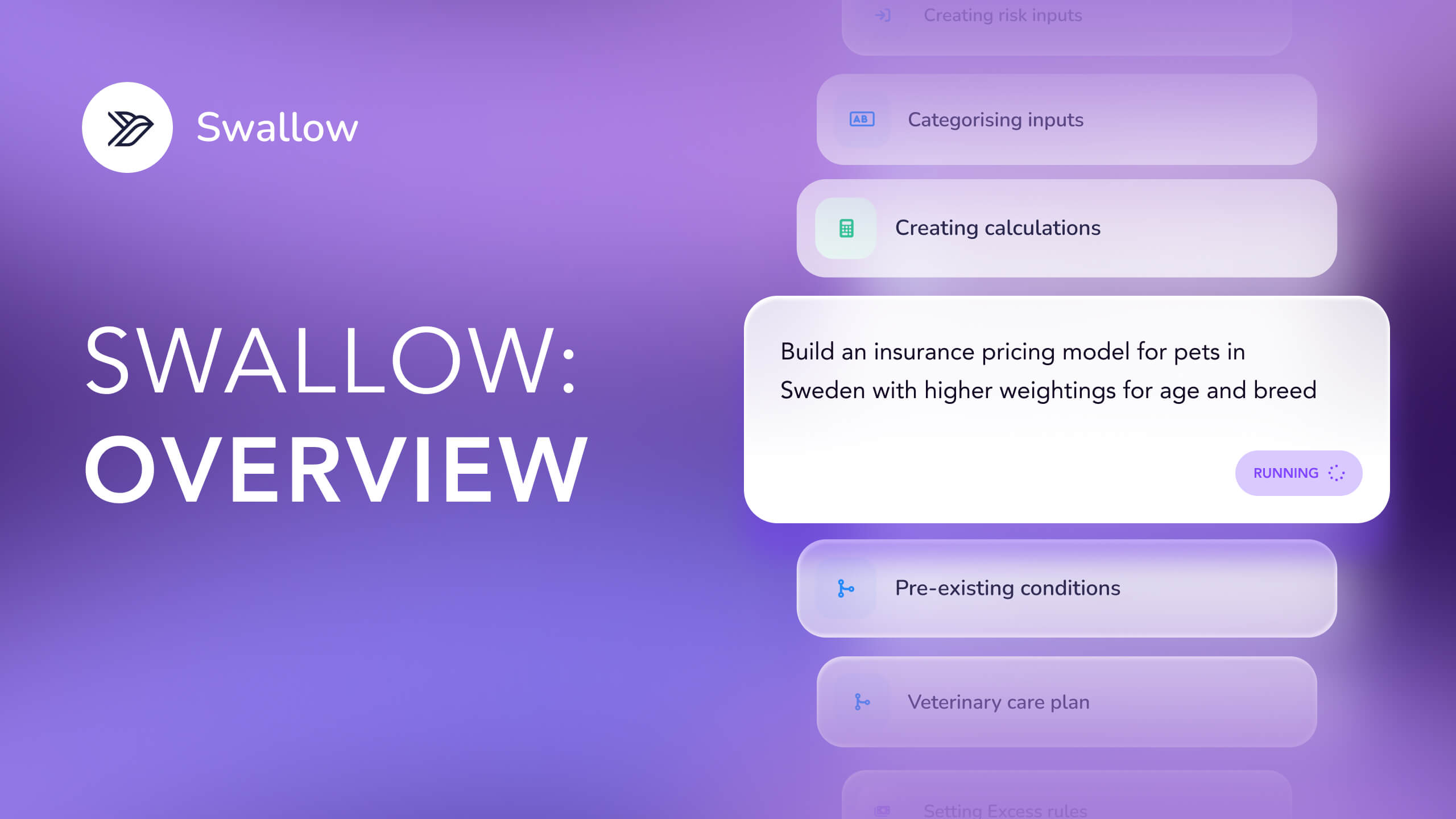
The landscape is changing fast. AI-powered enterprise pricing engines are enabling insurers to modernise their rating infrastructure, streamline their workflows, and bring new pricing ideas to market far more quickly. Instead of building models from scratch, teams can now convert spreadsheets, PDFs, and documentation directly into live, enterprise-ready rating engines.
This post explores why this shift is happening, what it enables, and how progressive carriers and MGAs are using AI-native pricing systems to gain an advantage.
Spreadsheets have long been the backbone of actuarial modelling. They are flexible, powerful, and familiar — but they’re not built for production. Translating spreadsheet logic into an API or operational pricing engine requires engineering work, lengthy testing cycles, and plenty of room for misinterpretation.
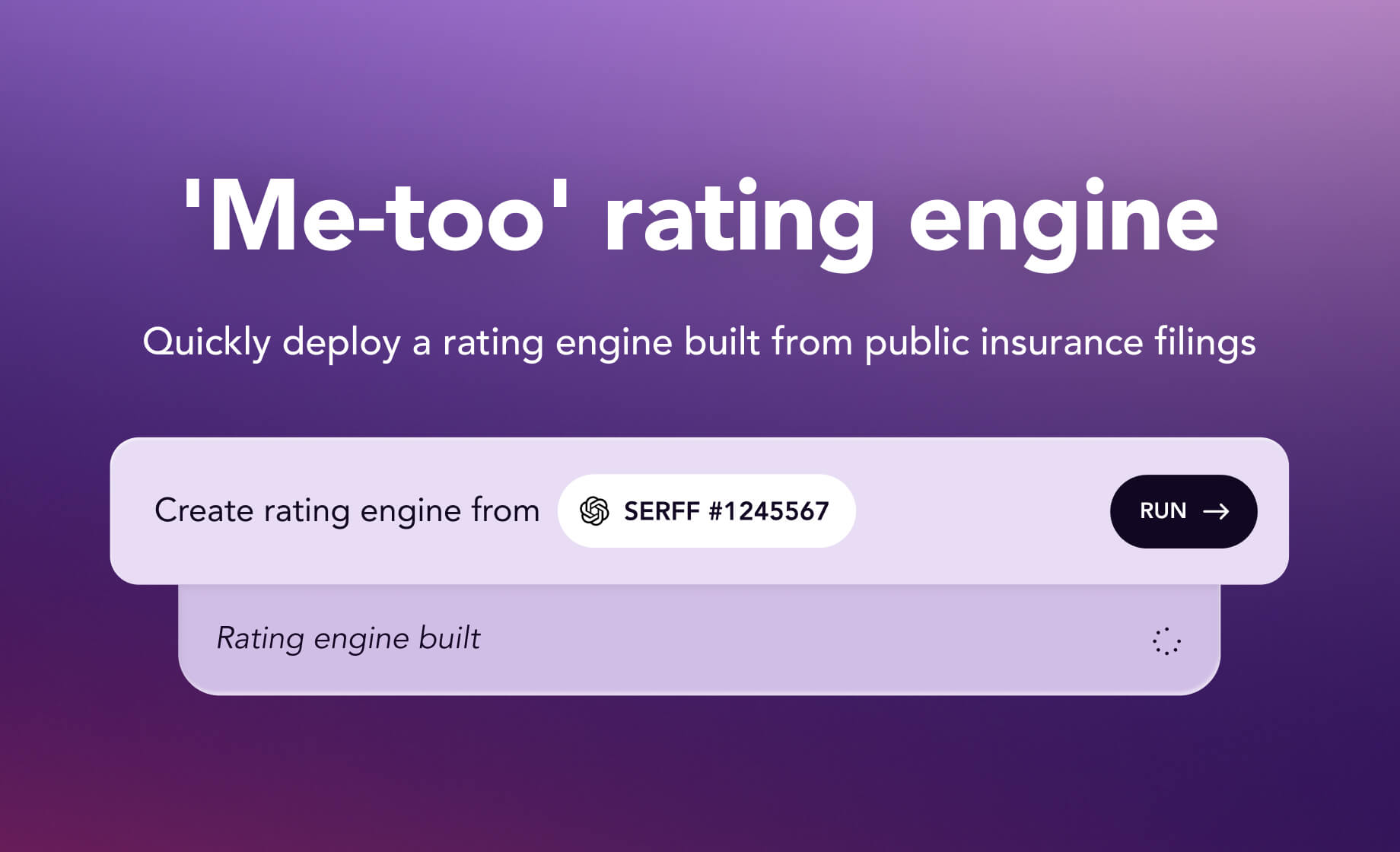
AI removes this bottleneck by automatically interpreting spreadsheets and documents, reconstructing the full pricing logic, and generating a ready-to-use rating model.
The result:
For insurers that routinely update rating tables or expand into new geographies, this speed is transformative.
The real power of next-generation pricing platforms lies beyond the initial build. Once the model is created, the enterprise engine beneath it handles everything pricing teams need for day-to-day operations.
Every quote, API request, underwriting decision, and embedded form call the same source of truth. This removes channel drift and ensures consistency for customers and partners.
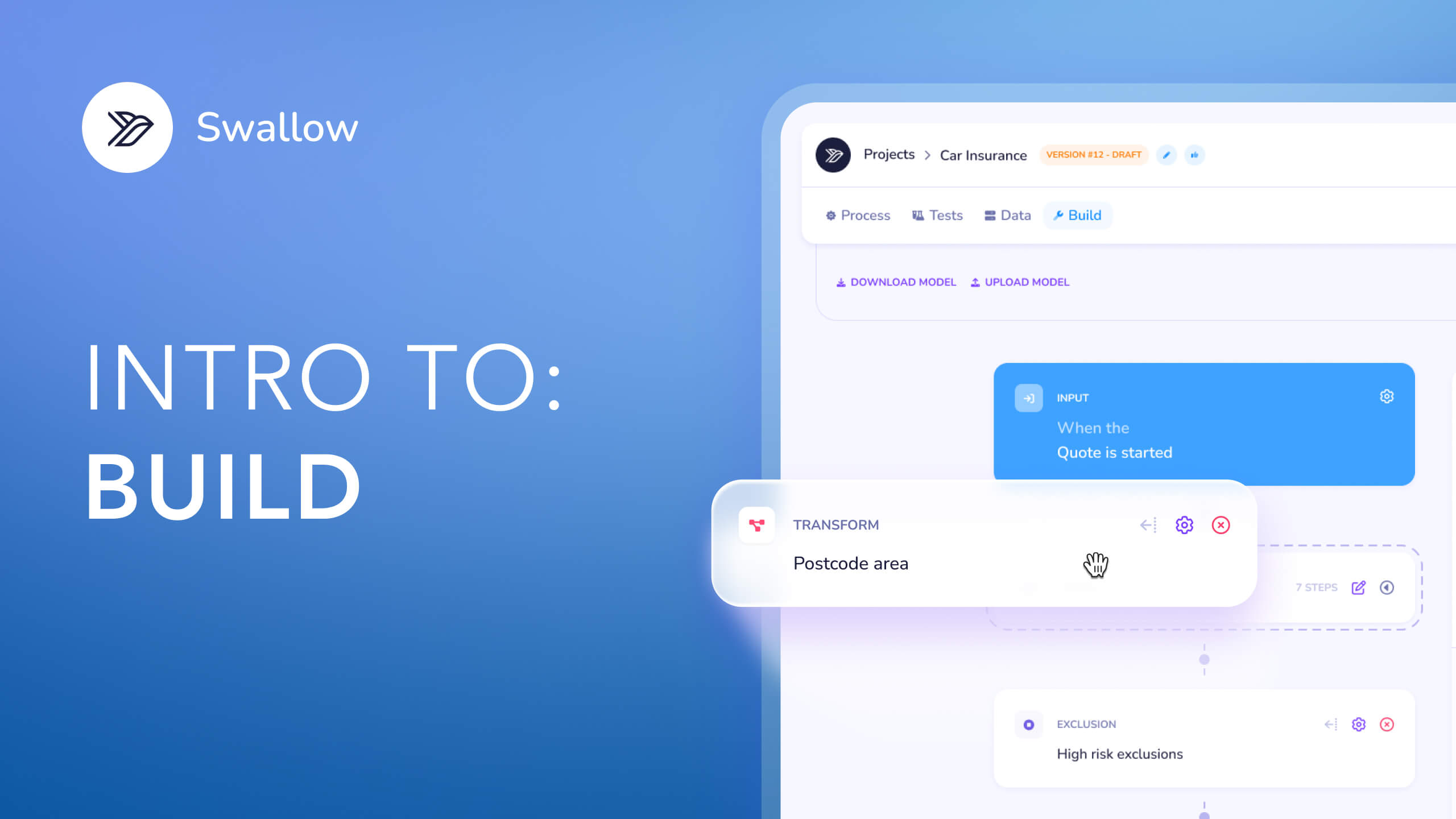
Pricing teams visually define factors, rating rules, and workflows; engineering teams integrate clean APIs directly into customer journeys. No code for those who don’t want it, and complete flexibility for those who do.
Pricing becomes its own high-performance service layer. Teams can update and deploy pricing models independently of the policy admin release cycle.
Every version, edit, approval, and quote is logged. Regulators, auditors, and internal risk teams gain full transparency with minimal effort.
Millions of rating requests per day across complex product portfolios? This is the new baseline.
One of the most time-consuming parts of updating insurance pricing is ensuring everything works exactly as expected. AI-powered platforms remove a huge amount of friction with:
Teams not only build faster — they deploy with full confidence.
Legacy systems weren’t built for a world where pricing changes can be weekly, data sources update continuously, and new risks emerge overnight.
AI pricing engines allow insurers to:
The insurers adopting modern rating engines are the ones reducing operational drag and freeing their teams to focus on strategy, not plumbing.
Automation doesn’t just remove delays — it removes cost.
With AI handling model creation, change management, and ongoing monitoring:
And because the rating engine is centralised, consistency becomes the default, not an aspiration.
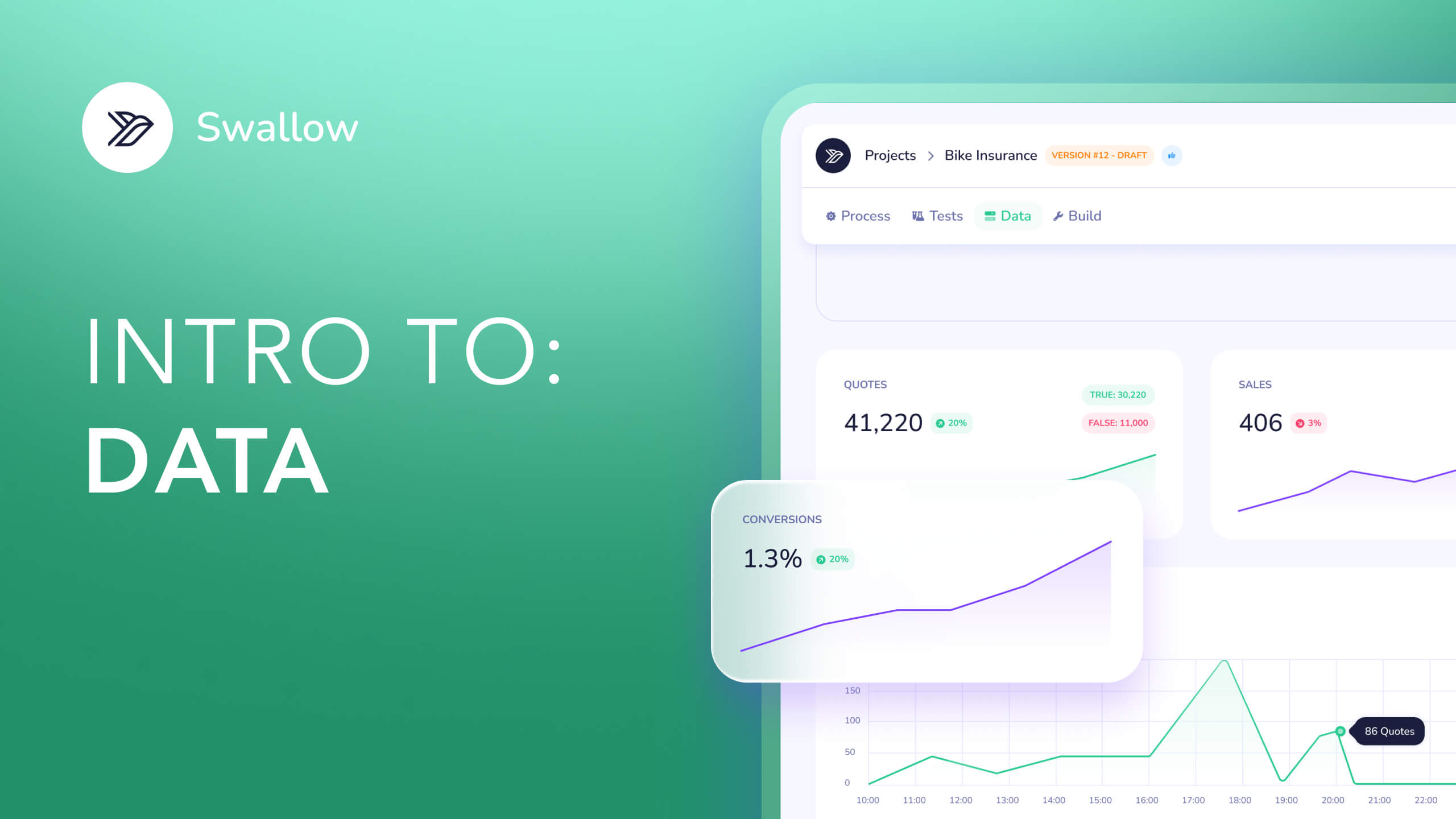
Modern pricing engines provide real-time insight into how pricing behaves in production:
Instead of waiting for monthly reports or batch exports, teams react instantly — adjusting pricing, refining factors, or identifying issues before they scale.
The move to AI-powered enterprise pricing isn’t a trend — it’s the new infrastructure layer insurers need to stay competitive.
These engines combine:
Insurers using this technology are launching products faster, maintaining tighter control over their pricing, and operating with a level of agility the industry has never seen before.
For pricing teams looking to modernise, the question is no longer “if” — it’s “how fast”.